When Love Doesn’t Mean Access
There are people I love deeply who do not have access to my life. That sentence still carries guilt, but I can say it now without letting the guilt make the decisions for me.
For most of my life, love meant staying available. It meant chasing, excusing, absorbing, and holding space no matter the cost. Especially when it hurt. I learned early that love was something you worked for, something you proved through endurance. It wasn’t until adulthood that I began to understand – slowly and unevenly – that love and access are not the same thing. I learned that in the middle of grief.
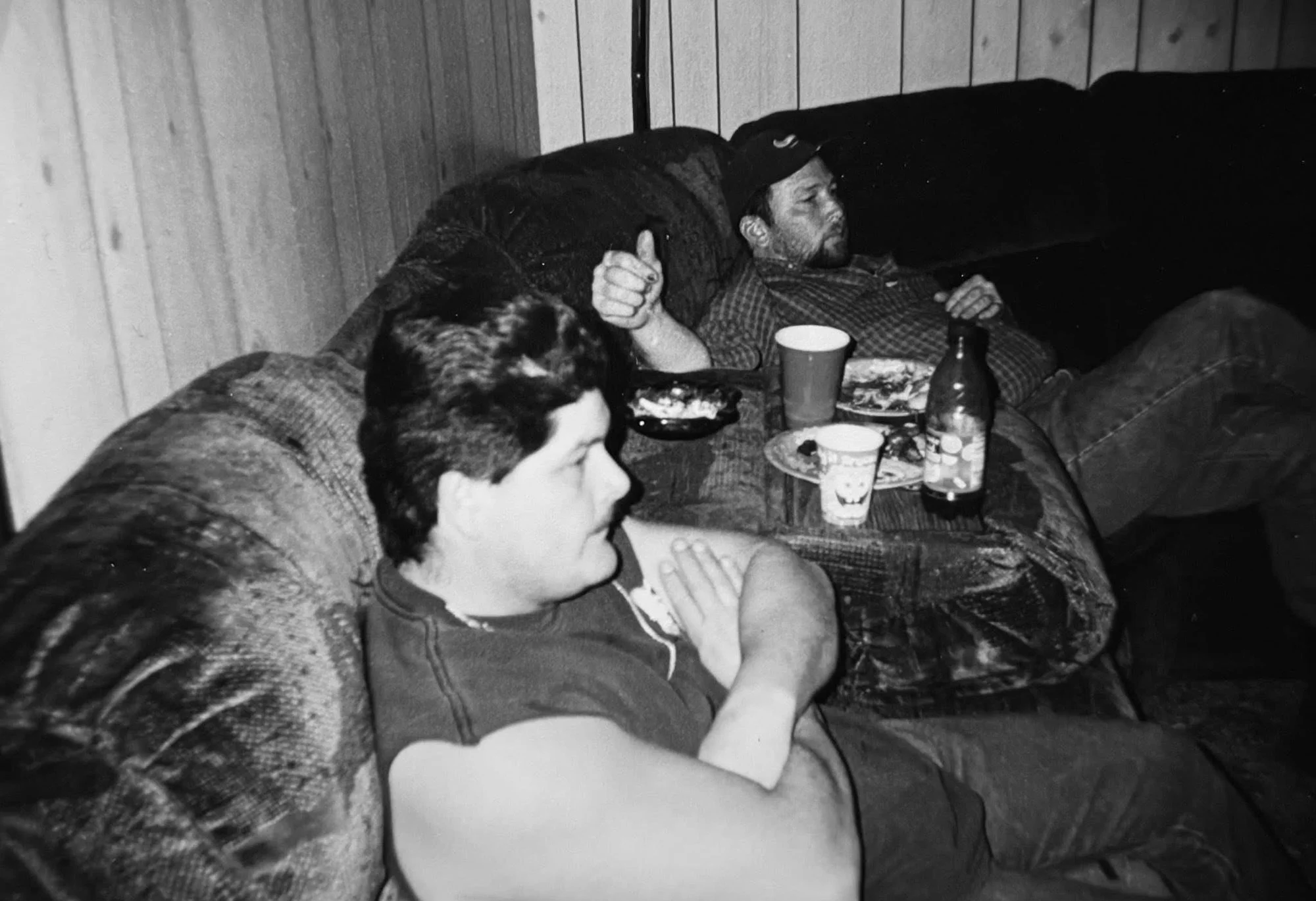
When my Uncle Freddie died, everything I had been holding quietly came rushing to the surface. In the hours after his death, our family sat together easing into the reality of losing him. But when I left that morning, something cracked open in me. A rage I hadn’t felt in years flooded back, sharp and unexpected.
Some backstory matters here.
My parents met in a boys’ home run by close friends of my granny. My uncles were there too. They grew up together in a way that made them family long before marriage ever entered the picture. No matter what happened later – the divorce, the chaos, the bad decisions – my dad was theirs. Even when he felt like he wasn’t. Especially to Uncle Freddie. He always asked about him. Asked for his number if it changed. Tried to figure out how to reach him. Even when my dad and I weren’t speaking, he’d tell me, “You need to see your daddy.” On paper, it might seem strange. But the life they lived as teenagers bonded them in a way nothing else could undo.
From the moment I saw Uncle Freddie’s labs, I knew how bad it was. From then on, I was in it with him and Aunt Stacie – coordinating care, chasing labs, making calls, doing whatever I could to help. It became an everyday thing. As his health declined, Uncle Freddie started asking about my dad more. It had been almost three years since my dad said he was coming over for my birthday and never showed – then stopped answering my calls altogether. Looking for him wasn’t something I wanted to do. But I did it anyway. Three times.
The first time, I spotted him on the side of the road and followed him until I saw where he was staying. I pulled in before I could talk myself out of it. The second time, the same place. The third time, I went back to the first spot, talked to people nearby, drove across town, asked strangers if they knew him, and eventually found him living in a trailer behind someone’s house. It wasn’t safe. It wasn’t planned. But I got out of the car anyway. I walked around back, saw feet through a cracked door, and yelled, “Dad.”
By the time I found him, the rage had already burned itself out. I’d screamed. I’d beaten the steering wheel. I’d cried everything I had. And still, despite everything, I was pulled toward him. I was angry that he hadn’t shown up. Angry that he hadn’t appreciated the love my uncle had for him. But also aware that, in a way I can’t fully explain, he was still my person. Even in the darkest seasons, our hearts stayed connected. I could feel for him empathically, even when I didn’t want to. When I told him about Uncle Freddie, he broke. The kind of crying I hadn’t seen in a long time. Raw. Unfiltered. I believed that moment might be enough to bring him back to us.
He promised he’d be there “no matter what.” Said he’d leave where he was and go stay with one of the few people who truly cared for him. I believed him fully. We even made accommodations so he’d feel comfortable at the service. A place away from the rest of the family, someone he trusted nearby.
He didn’t come.
And that was the moment something in me stopped reaching in the same way. That day, I made a decision I had been avoiding for years – one I’ve had to recommit to more than once since. To stop chasing someone who kept hurting me. To stop excusing absence because of pain. To stop sacrificing myself at the altar of understanding.
Not because I stopped loving him. But because loving him no longer gets to cost me everything.
So in the same season, I lost two people. I grieved a man who destroyed his body with his choices and would never walk this earth again. And I grieved a man who was still alive, who had every opportunity to come home, to choose his family, but couldn’t get past his demons to do so. That grief still visits me quietly.
Just a few days ago, I saw my dad standing outside a house as I drove to work. And the familiar ache rose up. Wanting to pull over, wanting to go to him, wanting to make sure he was okay… while also knowing that I couldn’t. The guilt still shows up. The pull still exists. There are moments when restraint feels less like strength and more like grief wearing a different coat.
But I’m learning – again and again – that love doesn’t always mean access. That care can look like distance. That protecting myself doesn’t erase the ache; it just keeps it from swallowing me whole.
Some grief isn’t loud. It’s familiar. It lingers. It waits.
And this – choosing restraint even when it hurts, choosing myself even while guilt is present – is part of the life I’m building now.
